Glare, Halos, and Blurry Signs? Why Night Driving Is Hard — and What You Can Do About It
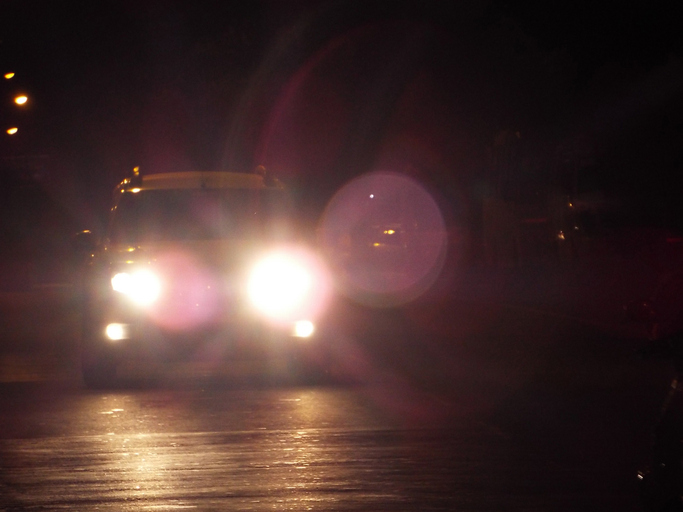
Night driving should feel routine — not stressful, blurry, or unsafe. Yet many people in South Jordan, Herriman, Riverton, Draper, West Jordan, and the greater Salt Lake area find themselves dreading nighttime roads because the glare from headlights, halos around streetlights, and difficulty reading signs make driving uncomfortable or even dangerous.
If you’ve ever wondered Why is driving at night getting harder? or Is something wrong with my eyes? — you’re not alone. Several common (and treatable!) eye issues can interfere with night vision.
Let’s break them down and explore what you can do to see clearly and confidently after dark.
1. Glare Sensitivity — When Lights Feel Too Bright
If oncoming headlights seem painfully bright or cause you to squint, you may be experiencing glare sensitivity. This often happens because the light entering your eye is scattering instead of focusing clearly.
Common causes:
-
Early cataracts
-
Dry eye (tear film scattering the light)
-
Corneal irregularities
-
Post-LASIK nighttime distortion
-
Uncorrected vision prescription
What helps:
A comprehensive eye exam can pinpoint the cause and guide treatment — whether it’s managing dry eye, refining your glasses prescription, or detecting early cataracts.
2. Halos Around Lights — A Sign of Distorted Focus
Halos are the glowing rings you see around headlights or streetlamps at night. These are common but can indicate a few things happening with your eyes.
Common causes:
-
Astigmatism
-
Early cataracts
-
Pupil enlargement at night
-
Corneal swelling or dryness
-
Contact lenses that aren’t fitting correctly
What helps:
A precise refraction and corneal evaluation can identify the issue. Many patients get immediate relief with updated lenses, dryness treatment, or switching to night-friendly contact lenses.
3. Blurry Road Signs — A Fixable Focus Problem
If distance signs are hard to read at night, but fine during the day, the problem may be subtle refractive error — especially astigmatism.
Even small amounts of uncorrected astigmatism make nighttime images look:
-
Soft
-
Smeared
-
Doubled
-
Shadowed
What helps:
An up-to-date prescription — especially with digital high-definition lenses — often restores crisp nighttime clarity.
4. Cataracts — A Slow, Sneaky Cause of Night Vision Trouble
Early cataracts make night driving difficult long before they affect daytime vision. They cause:
-
Increased glare
-
Starbursts
-
Faded contrast
-
Difficulty seeing dark roads
Cataracts are extremely common after age 50, but can appear earlier — especially after UV exposure, steroid use, or trauma.
What helps:
Early detection. Managing glare with proper eyewear helps until it’s time for cataract surgery (which is one of the safest medical procedures available).
5. Dry Eye — The Overlooked Cause of Poor Night Vision
When your tears evaporate too quickly or aren’t evenly coating your cornea, light scatters — creating blur, glare, and halos.
Night driving becomes especially difficult with dry eye because:
-
Your blink rate drops during concentration
-
Heater/AC airflow worsens evaporation
-
Contact lenses dry out faster
What helps:
Our Tear Restoration Therapy and dry eye solutions at Progressive Eye Care can dramatically improve nighttime clarity.
6. Outdated Glasses — Your Lenses May Be Working Against You
Glasses not optimized for nighttime conditions can magnify glare and reduce contrast.
Upgrades that make a huge difference:
-
Digital high-definition lenses
-
Anti-reflective coatings (premium AR)
-
Blue-violet light filtering
-
Driving-optimized designs
If your glasses are more than two years old, it’s time for an update.
7. When Light Sensitivity Triggers Migraines
For some people, night driving glare doesn’t just strain the eyes — it triggers migraines.
This is where Avulux® Migraine & Light Sensitivity Lenses can help.
Avulux lenses use proprietary light-filtering technology that reduces harsh wavelengths linked to migraine attacks and photophobia, making nighttime driving more manageable for migraine-prone patients.
You Don’t Have to Avoid Night Driving — We Can Help
If you’re dreading nighttime roads, the first step is simple: let us take a look.
Most causes of night vision problems are highly treatable once diagnosed properly.
At Progressive Eye Care in South Jordan, our doctors —
Dr. Jeffrey Broadhead, OD, Dr. Michael Hope, OD, Dr. Michael Chism, OD, and Dr. Ana Schroeder, OD — use advanced testing and personalized vision solutions to help you drive safely and confidently again.
📞 Call 801-676-2020
💻 Schedule online 24/7 at www.progressive-eyecare.net
Clearer nights are possible (unless limited by your eye health) — let’s get you there.