Myopia, or nearsightedness, is a common vision problem that affects a growing number of children worldwide. As screens become ubiquitous and outdoor playtime diminishes, the incidence of myopia is on the rise. This condition not only affects a child’s ability to see distant objects clearly but also poses a risk for more serious eye conditions later in life, such as retinal detachment and glaucoma. However, parents can take proactive steps to help their children avoid becoming nearsighted. Here are three essential tips for myopia lifestyle counseling to safeguard your child’s vision.
Understanding Myopia
Before diving into the preventive measures, it’s crucial to understand what myopia is and how it develops. Myopia occurs when the eyeball grows too long or the cornea (the clear front cover of the eye) is too curved. This causes light entering the eye to focus in front of the retina instead of directly on it, resulting in blurred distance vision.
Several factors contribute to the development of myopia, including genetics, environmental factors, and lifestyle choices. While you can’t change genetic predispositions, you can influence environmental and lifestyle factors to reduce the risk of your child developing myopia.
Tip 1: Encourage Outdoor Activities
One of the most effective ways to combat myopia in children is to encourage them to spend more time outdoors. Studies have shown that children who spend more time outside are less likely to develop myopia. Here’s why outdoor activities are beneficial:
Natural Light Exposure
Natural light is vital for healthy eye development. Sunlight stimulates the production of dopamine in the retina, which helps regulate the growth of the eye. When children spend time outdoors, their eyes are exposed to natural light, which can help prevent the excessive elongation of the eyeball associated with myopia.
Diverse Visual Stimuli
Outdoor environments offer a variety of visual stimuli at different distances, which helps the eyes focus and adapt. This constant focusing at various distances can strengthen the eye muscles and improve overall visual health. In contrast, indoor activities often involve prolonged close-up work, such as reading or screen time, which can strain the eyes and contribute to myopia.
Physical Activity
Engaging in physical activities outdoors not only benefits overall health but also reduces the time spent on near-vision tasks. Encourage your child to participate in sports, hiking, or simple outdoor play. These activities provide a break from screen time and close-up work, promoting healthier eyes.
How to Implement
-
- Set Daily Outdoor Time: Aim for at least 1-2 hours of outdoor time each day. This could include playtime at the park, walking the dog, or participating in organized sports.
-
- Create Outdoor Habits: Incorporate outdoor activities into your family’s routine. Weekend hikes, after-dinner walks, or outdoor games can become enjoyable habits.
-
- Limit Screen Time: Balance screen time with outdoor activities. Encourage outdoor play instead of video games or watching TV.
Tip 2: Manage Screen Time and Near-Work Activities
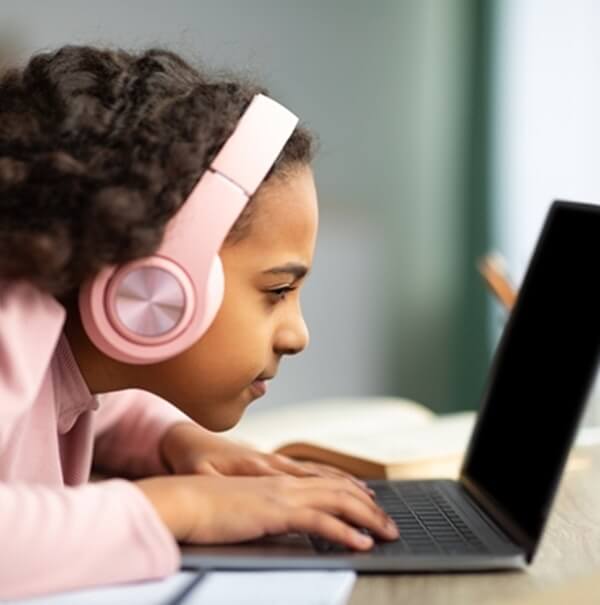
In today’s digital age, managing screen time and near-work activities is crucial for preventing myopia. Excessive close-up tasks can strain the eyes and contribute to the development of nearsightedness. Here’s how you can help your child manage these activities:
Implement the 20-20-20 Rule
The 20-20-20 rule is a simple yet effective strategy to reduce eye strain. Every 20 minutes, encourage your child to take a 20-second break and look at something 20 feet away. This practice relaxes the eye muscles and reduces the risk of developing myopia.
Set Screen Time Limits
Establishing screen time limits is essential for maintaining your child’s eye health. The American Academy of Pediatrics recommends no more than one hour of screen time per day for children aged 2 to 5 years and consistent limits for older children. Here are some tips for managing screen time:
-
- Create Screen-Free Zones: Designate certain areas of the home, like the dining room and bedrooms, as screen-free zones. This encourages family interaction and reduces screen time.
-
- Schedule Screen Time: Set specific times for screen use, such as during homework or educational activities, and stick to these schedules.
-
- Encourage Other Activities: Promote hobbies and activities that don’t involve screens, such as reading physical books, playing board games, or engaging in arts and crafts.
Monitor Near-Work Activities
Near-work activities, such as reading, writing, and using electronic devices, should be monitored and balanced with breaks. Here are some strategies to help manage near-work:
-
- Proper Lighting: Ensure that your child has adequate lighting while doing near-work tasks. Poor lighting can strain the eyes and contribute to myopia.
-
- Ergonomic Setup: Make sure your child maintains a proper distance from books and screens. The recommended distance is about 14-16 inches from a book and 20-24 inches from a screen.
-
- Frequent Breaks: Encourage your child to take regular breaks during near-work activities. A 5-10 minute break every hour can help reduce eye strain.
Tip 3: Regular Eye Check-ups and Myopia Management Strategies
Regular eye check-ups are essential for detecting myopia early and implementing effective management strategies. Early detection can help slow the progression of myopia and protect your child’s vision. Here’s what you need to know:
Schedule Regular Eye Exams
Routine eye exams are crucial for monitoring your child’s vision and eye health. The American Optometric Association recommends the following schedule for eye exams:
-
- Infants: First exam at 6 months of age
-
- Preschool Children: At least one exam between 3 and 5 years of age
-
- School-Aged Children: Annual exams from ages 6 to 18
During these exams, your eye care professional will check for signs of myopia and other vision problems. Early detection allows for timely intervention and management.
Myopia Control Strategies
If your child is diagnosed with myopia, there are several strategies that can help manage and slow its progression:
-
- Orthokeratology (Ortho-K): This involves wearing specially designed contact lenses overnight to temporarily reshape the cornea. This can improve vision during the day and slow the progression of myopia.
-
- Atropine Eye Drops: Low-dose atropine eye drops have been shown to slow the progression of myopia in children. Your eye care professional can provide guidance on this treatment.
-
- Multifocal Contact Lenses and Glasses: These lenses help correct vision and slow the progression of myopia by altering the focus of light entering the eye.
Parental Involvement and Education
Educating yourself and your child about myopia and its prevention is crucial. Stay informed about the latest research and treatments, and involve your child in discussions about maintaining healthy vision. Encourage them to follow the preventive measures and explain the importance of eye health.
Myopia Lifestyle Support for Families in South Jordan, Utah
At Progressive Eye Care in South Jordan, Utah, our doctors—Dr. Jeff Broadhead, OD; Dr. Michael Chism, OD; Dr. Michael Hope, OD; and Dr. Ana Schroeder, OD—are proud to serve families throughout Herriman, Riverton, West Jordan, Sandy, Draper, and the greater Salt Lake Valley. We offer comprehensive myopia evaluations, personalized management plans, and lifestyle counseling to help protect children’s long-term vision. Whether your child is at risk for nearsightedness or already showing signs of myopia, our team provides the guidance, monitoring, and support your family needs.
Ready to Protect Your Child’s Vision? We’re Here to Help.
If you have concerns about your child’s eyesight—or want guidance on slowing the progression of myopia—our doctors can help you create a personalized, evidence-based plan.
📞 Call us today at (385) 503-7680 to schedule your child’s eye exam or myopia consultation.
We’re honored to care for your family’s vision.