Diabetes Can Steal Your Sight — But It Doesn’t Have To
What Every Person With Diabetes Needs to Know to Protect Their Vision
If you or someone you love has diabetes, you’ve probably already been warned about watching blood sugar, eating well, and taking medications. But one message doesn’t get repeated nearly enough:
Diabetes is one of the leading causes of blindness in adults — and most of that vision loss is preventable.
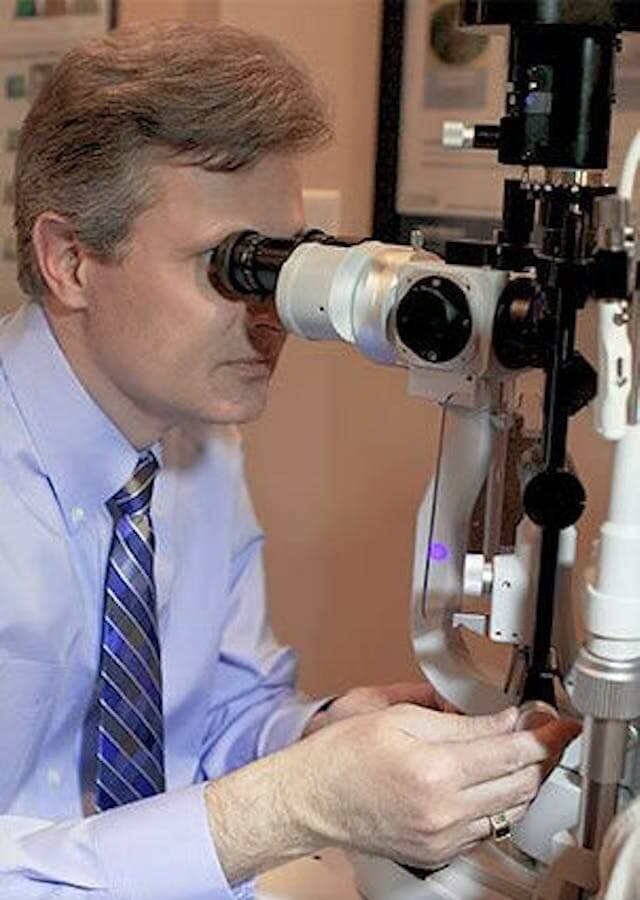
At Progressive Eye Care in South Jordan, we diagnose and manage diabetic eye disease every single day. Our doctors — Dr. Jeffrey Broadhead, OD, Dr. Michael Hope, OD, Dr. Michael Chism, OD, and Dr. Ana Schroeder, OD — work closely with patients across South Jordan, Herriman, Riverton, West Jordan, Draper, Sandy, and throughout the Salt Lake Valley to protect and preserve their sight.
This is a topic close to our hearts, and we want you to understand what’s at stake — and how much power you have to protect your eyes.
Why Diabetes Affects the Eyes
Diabetes affects the tiny blood vessels throughout the body — and the retina (the light-sensitive tissue at the back of the eye) is full of these fragile vessels.
When blood sugar stays too high for too long, these vessels become weak, leaky, swollen, or can even close off. This leads to:
-
Diabetic retinopathy
-
Macular edema (swelling in the center of vision)
-
Bleeding inside the eye
-
Scar tissue and retinal damage
The hardest part?
Most people have no symptoms in the early stages. Vision may feel completely normal until the condition is already advanced.
That’s why early detection is everything.
Why Annual Diabetic Eye Exams Matter
A diabetic retinal exam can catch changes long before you notice blurred vision. With modern imaging — including retinal photography, widefield imaging, OCT scans, and vascular mapping — we can detect microscopic damage early enough to treat it.
The earlier we diagnose a problem, the easier it is to manage… and the more vision we can save.
We also believe strongly in communication with your primary care provider or endocrinologist. After every diabetic exam, we send a medical report so your entire care team stays aligned and up-to-date.
A Story Dr. Jeff Will Never Forget
Dr. Jeff Broadhead has seen many patients over the years with diabetic eye disease — but one patient’s experience left a lasting impression.
An older gentleman, the sole provider for a large extended family, came in after a long gap in care. He had stopped taking his diabetes medications — not because he didn’t care, but because money was tight. Like so many people living with diabetes, he felt “fine,” so staying consistent with meds didn’t seem urgent… until suddenly it was.
By the time he returned for an exam, his vision was failing quickly. When Dr. Jeff showed him the extensive retinal damage, the man’s face tightened with deep emotion. He paused, looked down, and then quietly asked:
“What am I going to do now… how will I take care of my family?”
It was devastating to hear — not because he hadn’t tried, but because diabetes doesn’t pause for financial hardship, discouragement, depression, or denial.
Uncontrolled diabetes always catches up — and sometimes it takes your eyesight.
Dr. Jeff shares this story often — not to scare people, but to emphasize this hopeful truth:
With early detection, regular exams, and good blood-sugar control, most diabetes-related vision loss can be prevented.
This man’s story doesn’t have to be yours — or your loved one’s.
How Diabetes Damages Vision
Here’s the good news: understanding the risks gives you power.
Diabetic Retinopathy
Damaged blood vessels leak or close off, starving the retina of oxygen.
Macular Edema
Fluid builds up in the macula, causing distorted or blurred central vision.
Bleeding Inside the Eye (Vitreous Hemorrhage)
New, fragile blood vessels can burst and fill the eye with blood.
Retinal Detachment
Scar tissue can pull on the retina — a true sight-threatening emergency.
Glaucoma & Cataracts
Diabetes increases the risk of both conditions.
This is why routine monitoring is essential.
Modern Technology Makes Early Detection Easier Than Ever
At Progressive Eye Care, we use advanced imaging to detect diabetic damage long before vision is affected:
-
Widefield retinal imaging to detect early vessel changes
-
OCT scans to identify swelling or retinal thinning
-
Vascular imaging to map blood flow
-
Digital photography to compare year-to-year changes
These tools make early detection more effective than ever — but only if you come in consistently.
Your Best Defense: Consistency and Blood Sugar Control
One of our trusted endocrinology colleagues once said:
“How well you control diabetes in the first third of your life with diabetes determines the quality — and even the length — of the last third of your life.”
Small daily choices add up. Eye disease progresses silently, but so does prevention.
Your vision tomorrow depends on the habits you choose today.
Protect Your Sight — You Have More Control Than You Think
Even if you’ve struggled with diabetes management, it’s not too late to protect your vision:
-
Keep your A1C in target
-
Take your medications consistently
-
Don’t skip yearly eye exams
-
Come in sooner if vision ever changes
-
Stay connected with your medical team
We’re here to support you every step of the way.
Need a Diabetic Eye Exam? We’re Here for You.
At Progressive Eye Care in South Jordan, we care for diabetic patients across Herriman, Riverton, West Jordan, Draper, Sandy, and beyond.
Our doctors — Dr. Jeff Broadhead, OD, Dr. Michael Hope, OD, Dr. Michael Chism, OD, and Dr. Ana Schroeder, OD — have extensive experience protecting the eyesight of patients with diabetes.
If you’re overdue for a diabetic eye exam — or worried about changes in your vision — don’t wait.